

A quick note: I will be on ABC’s Q+A show on 25 March for a Housing Special. Should be fun.
The Australian Greens have announced a version of HouseMate as the major plank of their federal housing policy.
Good.
You can read some previous FET articles about why that’s the most direct and effective way to make housing cheaper for non-property owners and avoid picking fights with the majority of households who are homeowners and like their property assets going up in value, not down.
How to get land into the HouseMate public homeownership system
Property owners hate more supply and competition... even though they pretend to love it
Why we need a public housing developer (FET podcast episode)
Some news headlines around this announcement make total sense.
Greens will call on federal government to develop property and sell it for cheap
Others suggest this idea is wild, unworkable, and ineffective. Many are upset.
This article is to ease those minds by showing a few different examples of public housing. Of course, there are bad examples too. Just like there are many terrible, costly, badly designed, and falling down private housing developments and clusters of poverty in private housing subdivisions.
If we could make housing cheaper by changing planning regulations or tweaking a few taxes, I would be lobbying hard for that. I’ve looked around the world over the past couple of centuries and found that public development of housing and below-market-priced allocation to households seems to be the main ingredient for cheap housing.
If you think it all sounds a bit socialist or communist, I would just remind you that Sir Robert Menzies—twice Prime Minister and inaugural leader of the Liberal Party—was a huge supporter of subsidised public homeownership programs and boasted of his government’s track record on that front.
A lot changed from the 1950s to the 1980s.
If you want a glimpse at the level of debate we might now have about universal public housing, try this article I stumbled across from 1989 with the headline “Public housing bursting under too many middle-class bludgers”.
In effect, people hate that public housing is full of very poor people with social problems, but also hate giving public housing to not-so-poor people.
This is my argument in favour of universalism in public housing, which seems to work so well for public roads, schools, and hospitals too.
There is a surprising amount of modern public housing that is not controversial and flies under the radar because it isn’t filled with poor people and social problems. The very fact that a government involves itself in development should be of no concern.
Here are some projects and organisations where governments are now building homes in Australia.
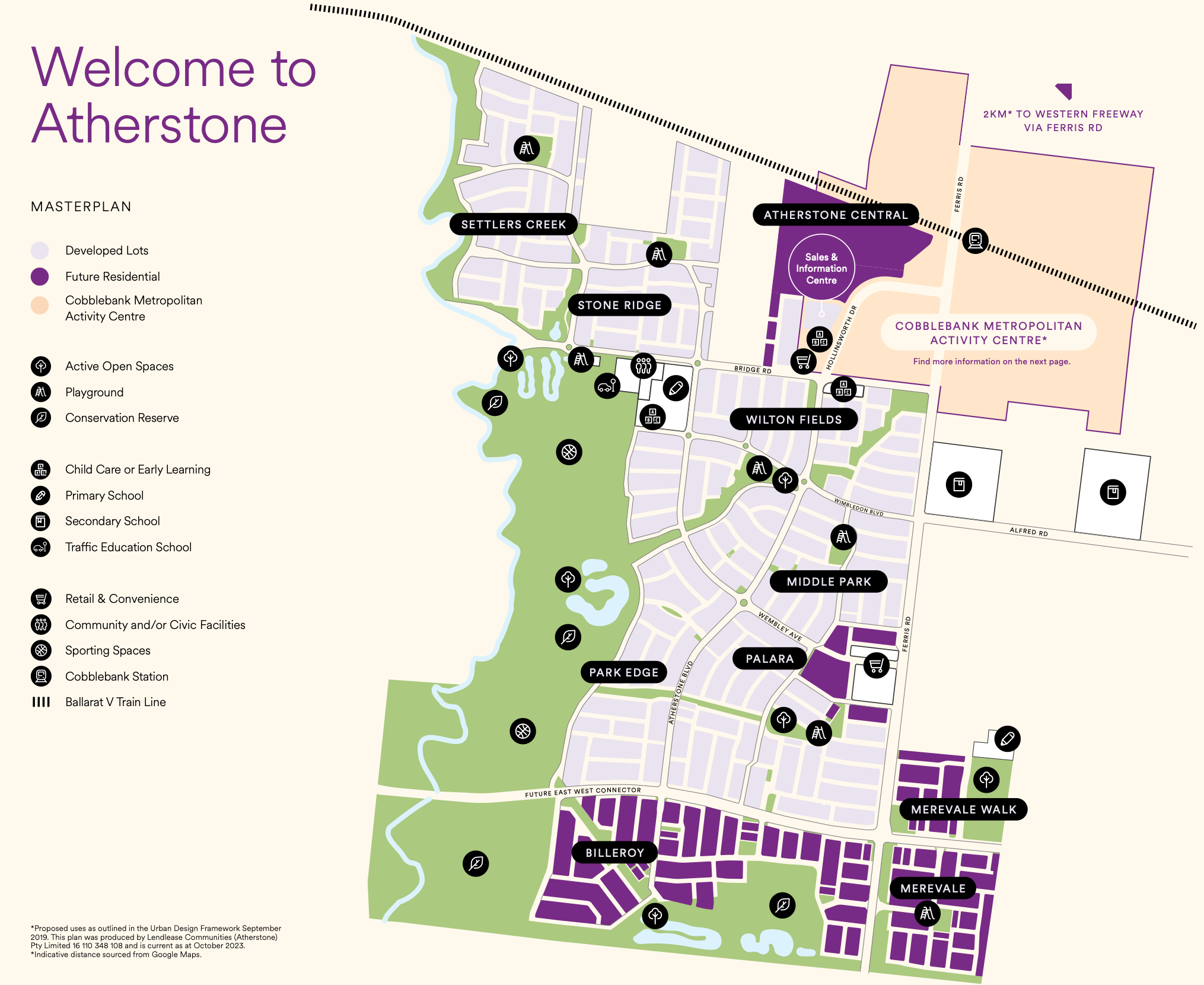
Melton’s Atherstone project
A legacy from Gough Whitlam’s era of active urbanism was that some councils gained large plots of land using grants from the federal government. One such place is Melton, west of Melbourne.
In 2010 Melton City Council entered a joint venture with Lendlease to develop the land—the council provides the site and Lendlease the operations, sharing profits.
The Melton City Council now boasts in its annual report about the millions of dollars of income it makes from its share of profits on the sale of homes in this Atherstone project. The project has allowed close coordination of public services and homes to great effect.
Is this public housing? Or doesn’t it count for some reason?
Similar arrangements could easily be part of the Greens proposal or any other form of a HouseMate-style public homeownership program.
You all of course want to know why the council had such a big parcel of land but did nothing with it for three decades. I am trying to piece together this history myself. However, my default assumption is that without further funding the council was unable to do much itself, hence the joint-venture arrangement.
I found a speech Whitlam made in Melton in 1971 that is illustrative of the nation-building attitude towards housing and new suburbs in that era. As Whitlam notes:
I see nothing “radical” in this approach. Australia remains one of the few urban countries in which government participation in developing residential land is almost unknown. In Canberra, where the national government cannot escape its responsibilities, land prices have remained steady for the past 5 years. In all the State capitals the average price of land has trebled in the last 10 years.
These comments suggest we look to the nation’s capital, but before we do, you can download the full speech below (and another from 1978 speaking to the Royal Australian Planning Institute reflecting on the grants commission outcomes).

Suburban Land Agency
The Australian Capital Territory (ACT) government runs the Suburban Land Agency (SLA) which pays dividends to the Territory government from the profits of being a land developer.
They sell hundreds of millions of dollars worth of land each year, of which there are about 3,000 dwelling lots amongst the commercial, industrial, and land for mixed-use projects. They also produce about 50 public housing dwellings a year.
Recent dividends to the Territory government (the 100% owner) have been
2022-23: None
2021-22: $227 million
2020-21: $456 million
2019-20: $68 million
2018-19: $191 million
That’s near enough to $1 billion over five years for a town with 430,000 people (or $2,200 per person or about $5,700 per household).
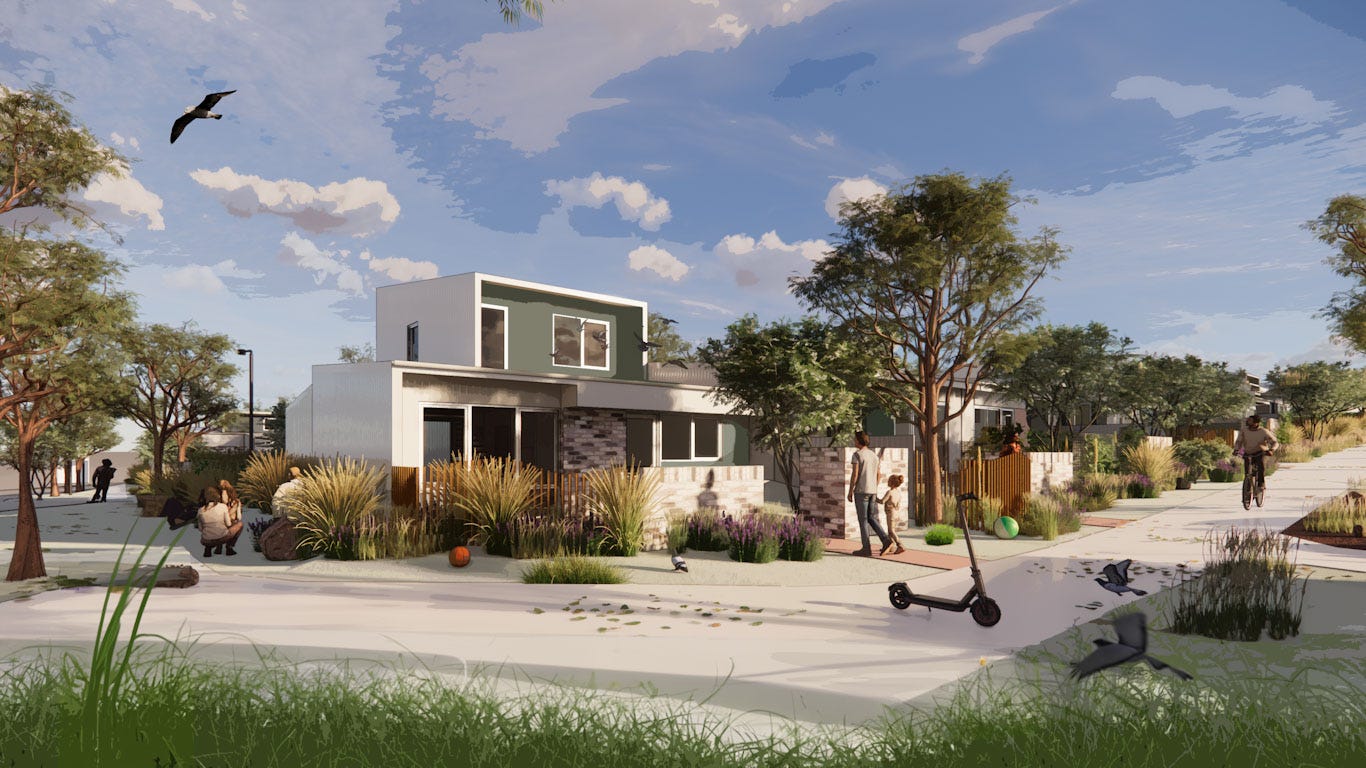
This image is a render of their North Wright sustainable housing showcase project. Looks great to me. It’s funny how we quietly have operated this public housing developer for over a century with little fanfare or controversy.
Smith Collective
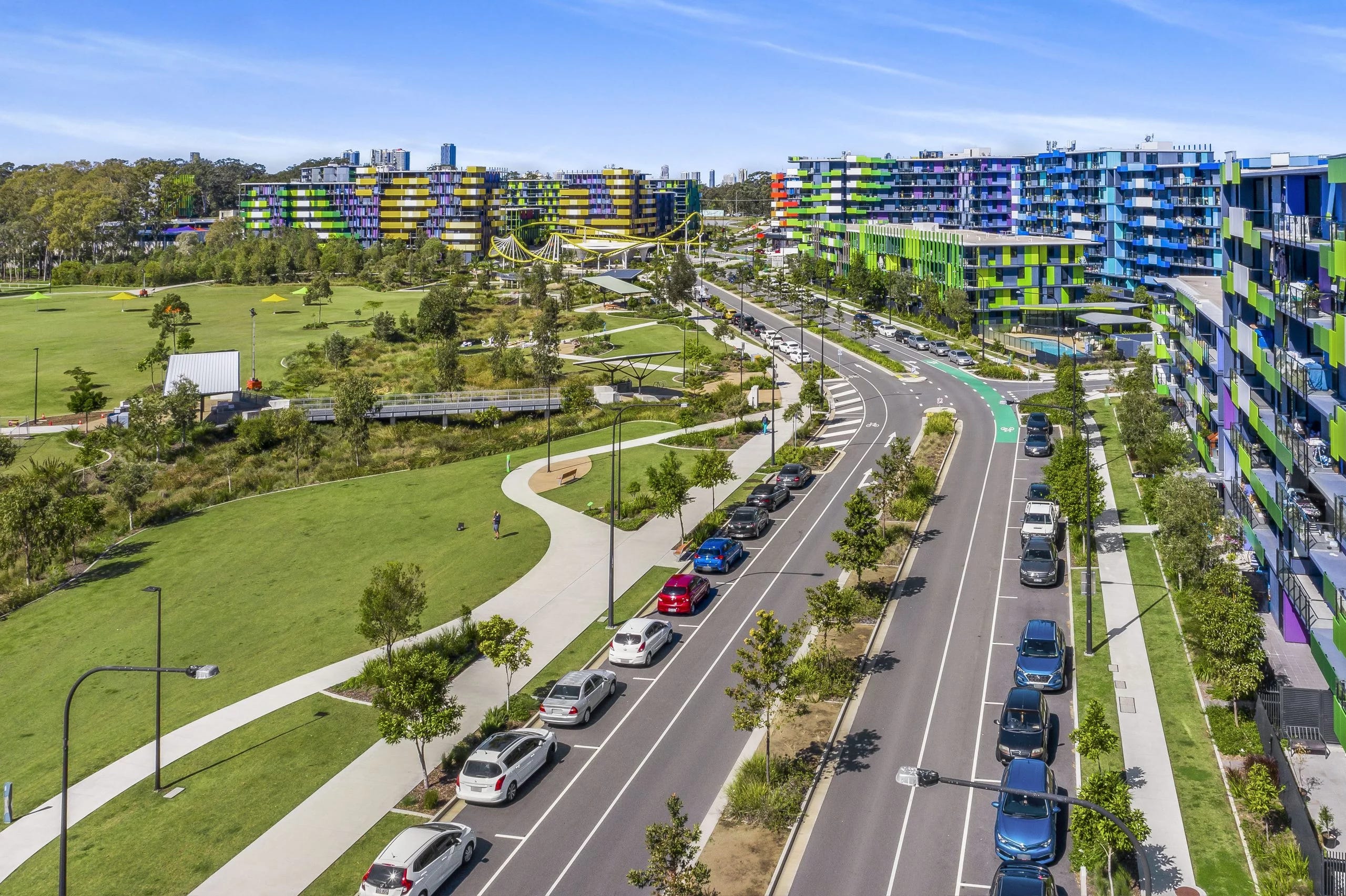
This one gets in not because it was the 2018 Commonwealth Games athlete’s village. But because it was planned and organised by the Queensland government, and is currently owned by another government — “a Middle East Sovereign investment fund” is as much as the general manager will say.
The Queensland government’s role was very active, organising land, cutting the deals for investment, and planning the site and neighbouring areas.
Here’s the reporting early on:
The land on which the village sits was originally owned by the Queensland government but the whole project has now been sold to a significant investor, held in a trust managed by UBS. While the name of the owner remains confidential, the Abu Dhabi Investment Council has been long said to be associated with the project.
It is hard not to call this public housing. It was public land, funded by a government under the direction of a government for a public purpose. It can be done.
But homes there are now allocated by market price. Prices for a two-bedroom are up from your typical $430 per week in March 2021 to $675 per week today, or 57%, just like the rest of the Gold Coast.
Strangely, the Queensland government thought the project was a huge cost it wanted to get it off its books. But another government saw it as a great investment they wanted to make to get the future returns. Could Queensland not put these homes in a fund and call it a day? If they did, could they allocate homes in a different way and charge below-market prices?
Defence Housing
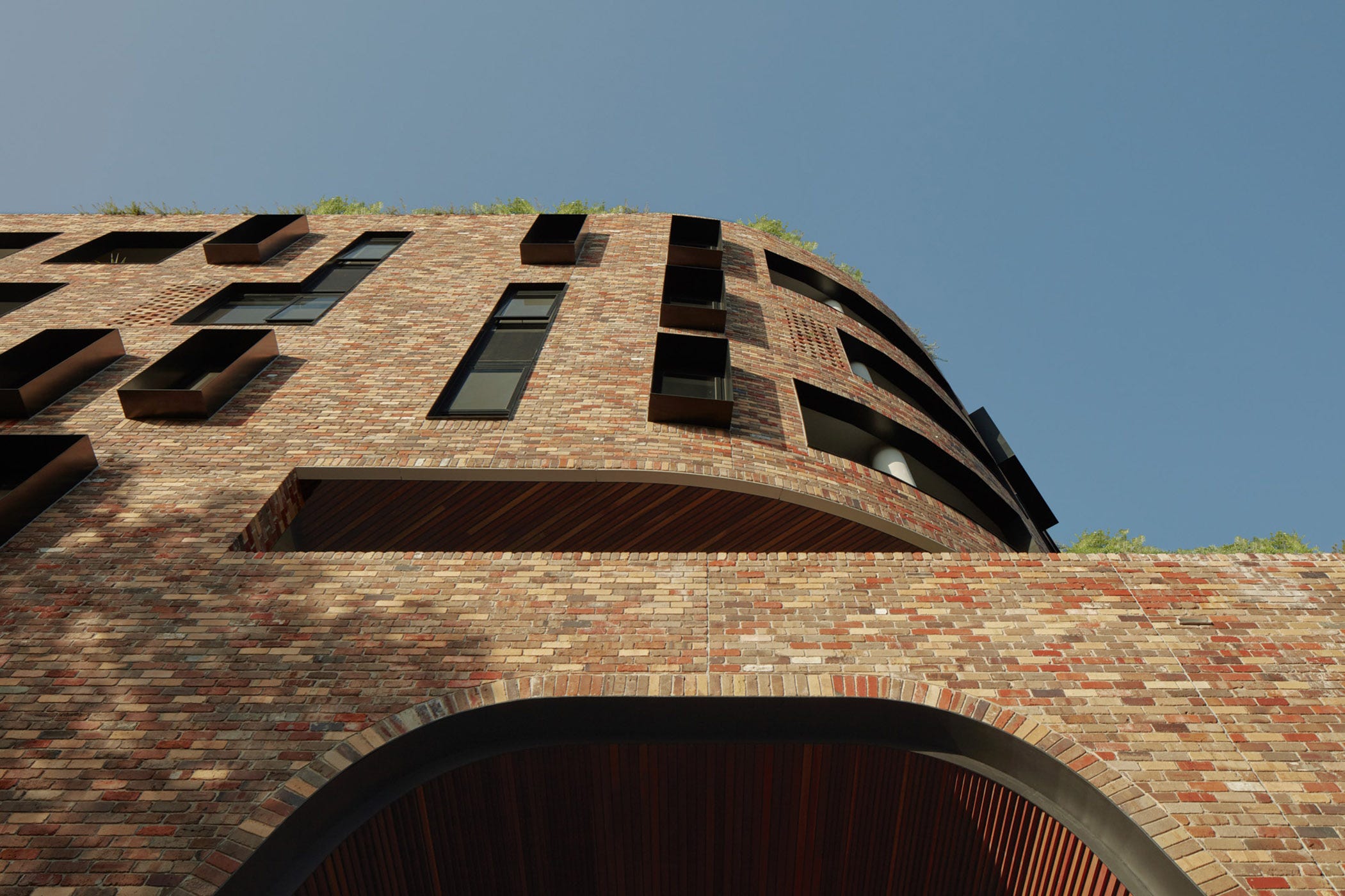
We have a federal public housing agency that builds award-winning homes and manages about 17,000 of them. But only for personnel in the Australian Defence Force (ADF).
Here’s Arkadia, a project of 152 apartments in Alexandria, Sydney (corner of Sydney Park Rd and Euston Rd Alexandria if you want to look it up). That’s a project from a federal government housing agency. Looks amazing to me.
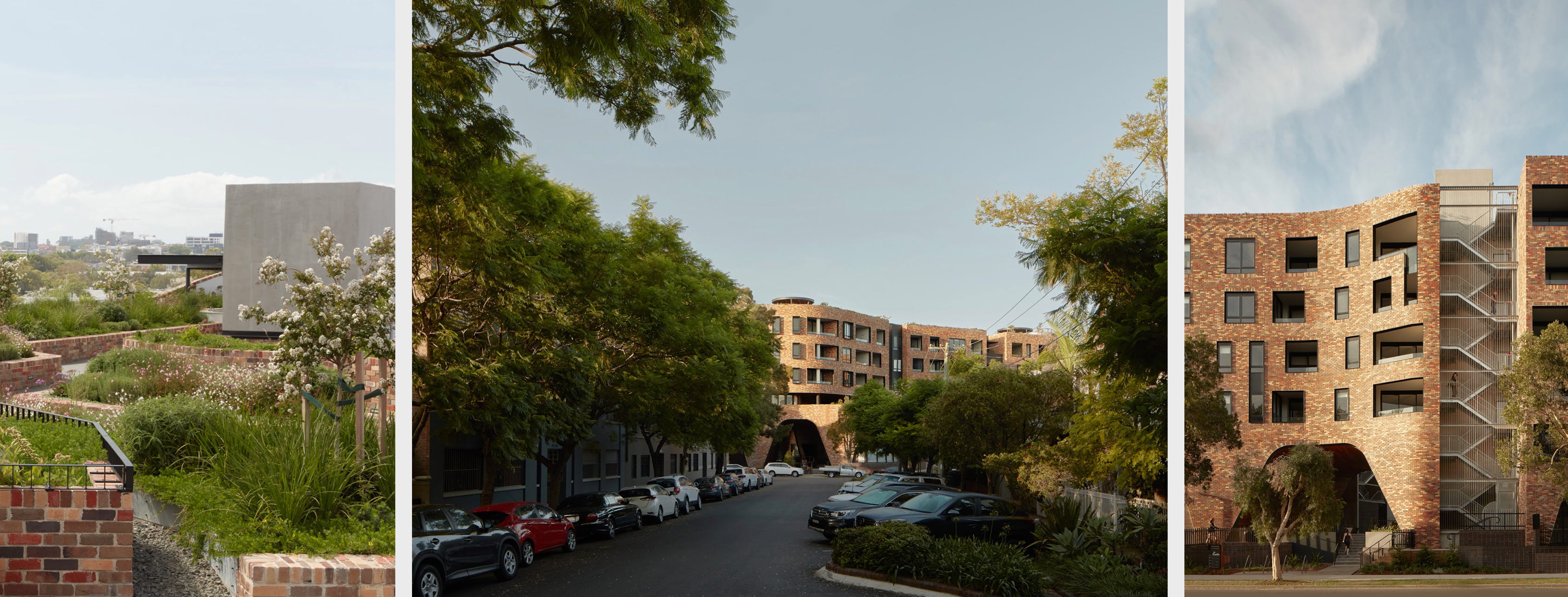
DHA uses a variety of approaches to managing its balance sheet, including leaseback arrangements, but also gets returns from the capital growth of the dwellings it owns before routinely cashing in those gains by selling to private buyers to spend that revenue on new homes.
They have nearly $3.5 billion in assets on the balance sheet and $1.5 billion in equity and it seems to be another example of a competent public housing operator and developer.
The Lodge and Kirribilli
This one is a bit sneaky.
Australia’s current Prime Minister, Anthony Albanese, grew up in public housing in Camperdown and now gets two public housing dwellings, one in Sydney and one in Canberra.
We spent $9 million on renovations for his Canberra home, The Lodge, in 2019 and spend hundreds of thousands just on gardening each year for his Sydney home, Kirribilli House.
How the federal government came to own the Prime Minister’s harbour-front Sydney public housing dwelling has lessons for today.
Kirribilli House was sold in 1919 to A. W. Allen and was advertised as having an unequalled position on the harbour front for “…a site for a large residence, for flats, or public buildings, or would subdivide to advantage”.
The dwelling itself was dilapidated.
There was public concern about the waterfront being turned into flats and no longer being available for public use.
Partially due to its proximity to Admiralty House, which was offered to the Governor-General, the federal government offered to purchase the property for its agreed value of £12,000. The government’s point of view was that the amenity and value of Admiralty House would be seriously eroded by the construction of flats close by.
The offer was rejected by Allen.
On the day of the auction the house and land were resumed by the Commonwealth on the day of the auction for defence purposes.
I just love how we find creative ways to get key locations into public hands when we want to, which can be an ongoing fight when it comes to public housing for other people. Just say the resumption is for “defence purposes” and you’re done!
Magic suits
As a final remark, where are our Treasury and political boffins getting their magic suits?
What I mean by this is that when they put on a suit and show up to work, a house in Australia’s capital cities is seen as a huge cost imposition on the government and something that is a huge waste of money. Public housing seems like a terrible investment for governments.
Then, they walk in their front door after work and take off their suit, and what happens to these same homes?
They instantly become the best investment you can make with your life savings. They get on the phone to their mortgage broker to see if they can borrow another million to leverage into one.
Only the magic suit can transform a great investment with leveraging up to buy into a terrible cost best avoided (try this article to read more about bizarre double standards when it comes to accounting for the value of public housing).
Theme music: Happy Swing by Serge Quadrado Music under Creative Commons Licence CC BY-NC 4.0
Got this from Scott Pape’s (Barefoot Investor) newsletter. Thought you might be interested.
The Barefoot Investor
Hi George,
I’ll get to the millionaire in a moment, but right now I want to talk about something important …
The Port Arthur massacre, in 1996, shocked our country.
A crazed gunman killed 35 people and wounded 23 others.
In the days following the tragedy, we were collectively shocked, devastated and outraged.
And our politicians heard us: in less than two weeks they unveiled a policy so big and bold – banning semiautomatic weapons and locking down guns – that countries the world over still point to it today.
The level of emotion over the last few weeks about family violence has been Port Arthur-like.
And this isn’t a one-off event: a woman is killed by an intimate partner every four days.
I look at the photos of these women and imagine the horror of their last minutes on earth. I think about how I’d feel if it were my sister. Or someone I work with. But most of all I think of the scared and scarred little children who have lost their beautiful mum.
Police are currently being called out to a domestic violence event every two minutes. One in three women has experienced physical violence since the age of 15.
We said ‘enough’.
A roundtable summit was called.
Now was the time for the Government to lead and be bold.
And Albo strode out of the summit with … a reheated Scomo policy?
Morrison had the Escaping Violence Payment, which offered up to $5000 for women, and Albanese has the Leaving Violence Payment, which does the same thing.
Now it’s better than nothing.
Yet it doesn’t come close to tackling the big issue: our housing market is a complete dumpster fire.
Many years ago politicians decided it was a better vote-grabber to give tax breaks to investors to provide private rentals, rather than build more public housing.
It’s time to admit that it hasn’t worked.
There are way too many women living with violent jerks because they can’t afford to move.
Last month Anglicare found that, even for educated women earning a higher salary (think teachers or nurses), just three per cent of the rental properties are affordable.
And those cheap rentals have eager-beaver applicants lined up around the corner.
“We’re giving out blankets to women to sleep in their cars”, Anglicare told me this week.
And Homelessness Australia found that just 3.7 per cent of women who flee domestic violence are able to secure long-term housing.
We’re better than that.
So, how could the Government really address it?
Well, let me suggest three ways.
First, by temporarily limiting immigration while the rental market is in crisis.
Second, by cutting negative gearing and the 50 per cent reduction on capital gains tax (CGT) for investors.
And finally, by funnelling those tax savings into building public housing that looks after the most vulnerable people in our society – women and their kids who are fleeing family violence.
That sounds pretty bold to me, Albo.
"Just say the resumption is for “defence purposes” and you’re done!"
FYI, Really liked the audio version. In writing, it's a little dense for me, but the audio version was easier for me to understand (while at the gym).